Scratch bakery is one of those phrases that sounds precise and means almost nothing until you pin it down. Does it mean no mixes at all? No frozen components? Everything mixed in the back that morning? Real production bakeries, including good ones in Charlotte, work on a spectrum, and understanding that spectrum makes you a better customer than any label does. At Panaderia La Princesa, this is a practical guide to what the words usually mean, how production actually runs, and the simple things you can check yourself.
What scratch usually means
In common bakery use, scratch means the core doughs and batters are mixed on site from basic ingredients: flour, sugar, eggs, butter, yeast, salt. It does not automatically mean every component is made in-house. Fillings, glazes, and specialty ingredients are often purchased because they are consistent, shelf-stable, and would take a small bakery hours to reproduce. A shop can mix its own bread and cake from scratch daily and still use a commercial fruit filling, and both halves of that sentence are normal practice.
Mixes sit at the other end, but they are not all equal either. Some mixes are little more than pre-measured dry ingredients that still need eggs, butter, and judgment. Others are add-water products. Many bakeries blend approaches: a mix as a base with fresh additions, or scratch production for signatures and mixes for volume items. The honest question is never the label. It is what is made where, and how recently.
- Start with the item, not the label: ask how a specific bread or cake is made, rather than whether the bakery is scratch in general.
- Listen for specifics: real answers name steps like mixing, proofing, laminating, or baking in batches through the morning.
- Check the crumb: scratch breads show irregular holes and a crust with character, while uniform sandwich texture suggests a different process.
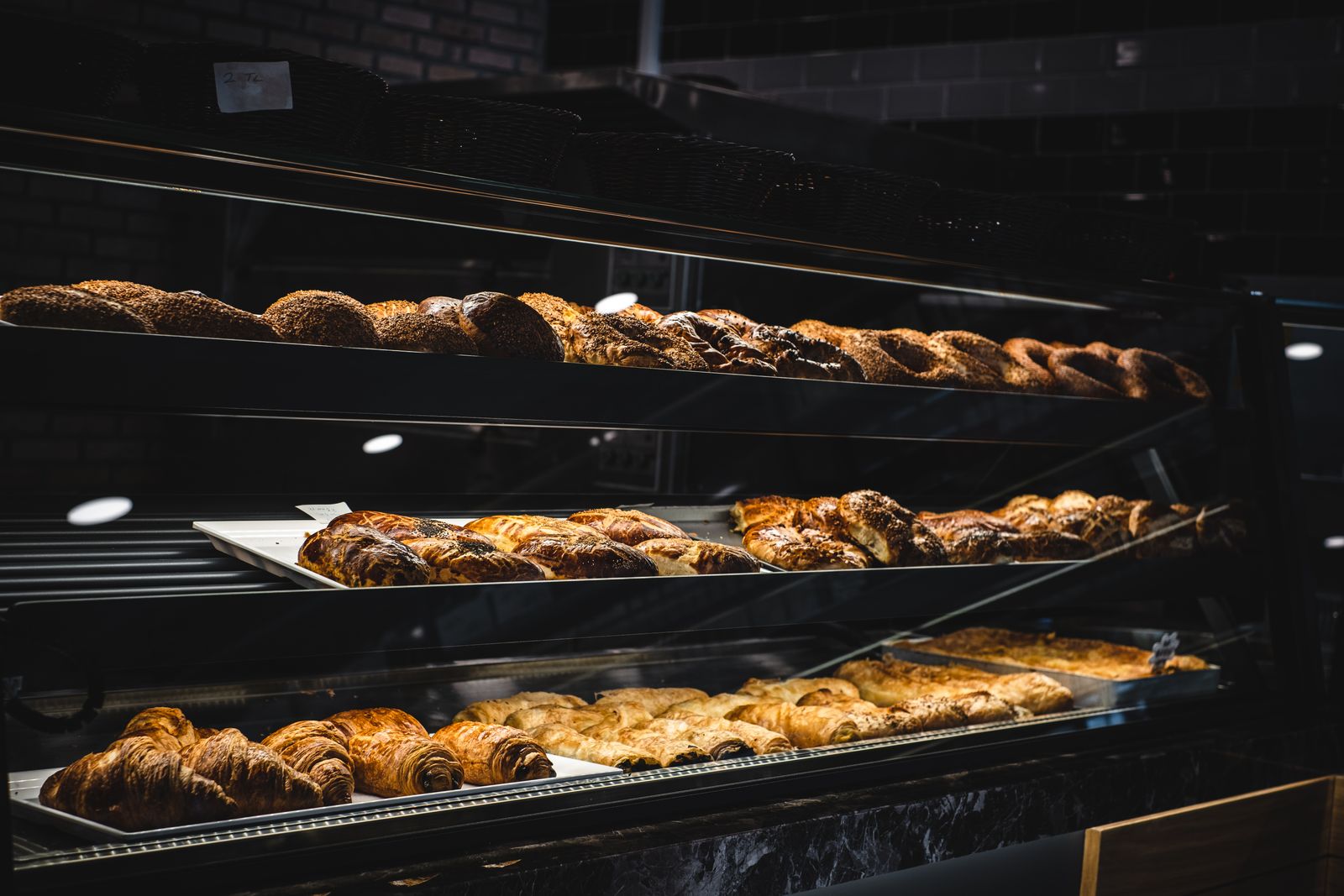
- Watch the case through the day: shops baking on site refill in waves, and trays change as batches come out of the oven.
- Ask what is made elsewhere: fillings and glazes are commonly purchased, and a straight answer about that is a good sign.
- Judge freshness by the bite: crisp crust, moist crumb, and clean flavor tell you more than any sign in the window.
How a production day actually runs
A working bakery is a schedule before it is anything else. Doughs that need long fermentation are mixed the day before and held cold. Morning starts with the oven work that takes longest, while fillings, frostings, and glazes are prepped in parallel. Items are baked in batches sized to sell through, because a tray baked at dawn and sold at dusk is old bread regardless of how it was mixed. Scratch production, done properly, is mostly time management.
This is also where the professional line sits for home bakers. You can absolutely make excellent bread and cake at home from scratch. What a production bakery adds is repetition at volume: hundreds of consistent pieces, proofing space, oven capacity, and the discipline of a schedule. Neither fact diminishes the other. They are different jobs that happen to share ingredients.
Claims worth a second look
Fresh baked can mean baked today, baked this morning, or finished today from dough made earlier, and all three get shortened to the same two words. Baked fresh daily sometimes means a product arrives frozen and is baked off in-store, which produces a genuinely fresh-tasting item and is still not scratch production. None of this is automatically a problem. It becomes a problem only when the words are doing work the process does not support.
The reliable test is specificity. Bakeries doing the work can describe it without hesitation, because the work is their whole day. Vague answers, sudden subject changes, and heavy reliance on the word scratch itself usually mean the label arrived before the process did. Trust the description of the day over the adjective on the door.
What this means at the counter
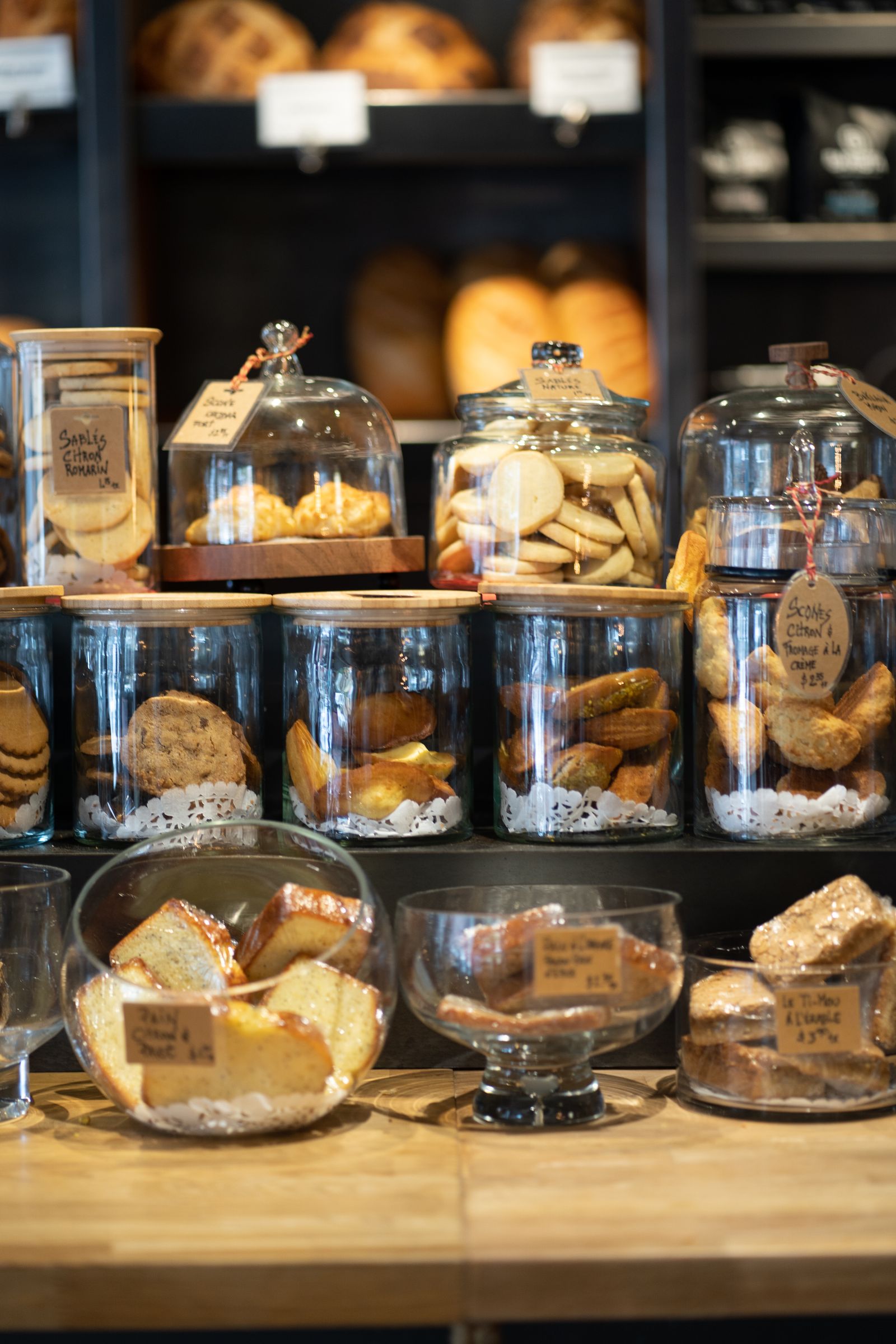
None of this requires interrogating anyone. A regular customer learns a bakery's habits by eating there across a month: whether the bread on Saturday tastes like the bread on Tuesday, whether seasonal items actually change with the season, and whether the case at four in the afternoon looks honestly picked over or suspiciously perfect. Consistency is the quiet evidence of a working production system, and a shop that bakes in real batches will sometimes sell out of something. That occasional empty tray, annoying as it is, tells you more about real production than a case that is somehow always full of everything.
Common questions
Does using a mix mean a bakery is bad?
No. Mixes range from basic dry blends to complete products, and many good bakeries use them for some items. Quality shows in freshness, texture, and flavor, not in purity.
Is bake-off bread the same as scratch bread?
No. Bake-off products arrive as frozen dough or par-baked loaves and are finished in-store. They can taste fresh, but the dough was not mixed on site.
What is the best question to ask?
Ask how a specific item is made and when it was baked. Specific, unhurried answers about process and timing are the most trustworthy sign of real production.
Photos in this guide are representative stock images.
← All guides from Panaderia La Princesa← Back to Panaderia La Princesa